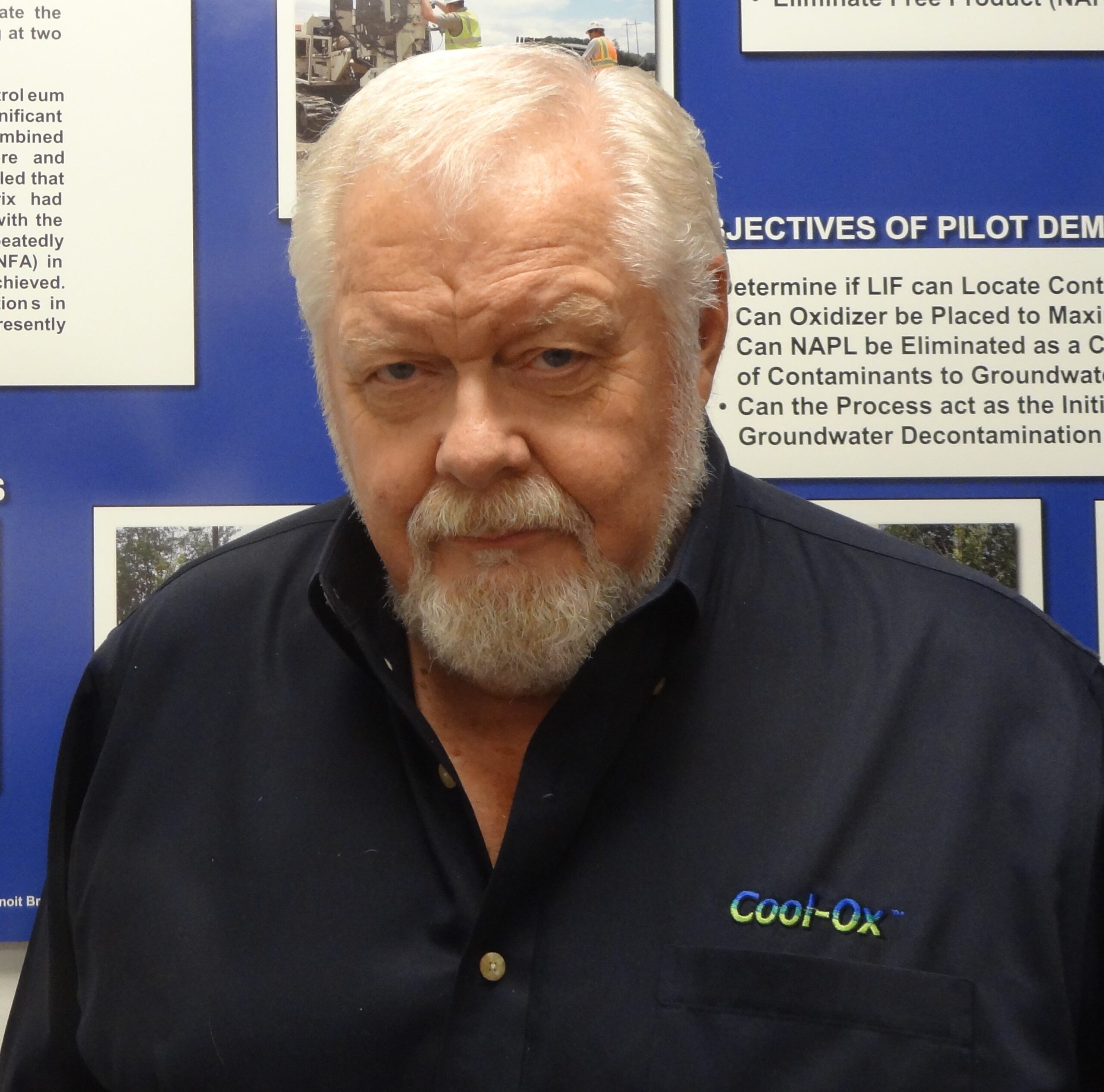
Bill Lundy
Senior Vice President
DeepEarth Technologies
Bemidji, Minnesota
Presentation Topic: Prevent Catastrophic Corrosion Under Acidic Chemical Oxidation Conditions
Presentation Date: January 22, 2026
Meet Your Speaker:
Bill Lundy is a native of Northern Minnesota and a graduate of Bemidji State University with a Bachelor’s degree in Chemistry. He completed graduate studies in Biochemistry at the University of North Dakota before joining Shell Chemical Company. At Shell, he worked in the Product Research and Applications Group, focusing on the development of new uses for petroleum and oxygenated solvents, epoxy resins, styrene derivatives, surfactants, and hydrogen peroxide.
During his tenure, Mr. Lundy authored a patent on using hydrogen peroxide to oxidize hydrogen sulfide—a common contaminant in natural gas, oil, sewage, and drinking water. He also contributed to the development of Neodols®, a line of biodegradable surfactants used in enhanced oil recovery and deep well drilling.
Mr. Lundy has played a key role in advancing waste-to-energy initiatives, including advising the Minnesota State Senate Energy Committee and helping design a mass-burn waste incinerator serving seven counties in Northern Minnesota. He is currently a principal at DeepEarth Technologies, Inc., and holds a patent for the Cool-Ox® process, which uses in-situ generated hydrogen peroxide to oxidize organic contaminants, including NAPLs. He also holds a patent for emulsifying coal tar and heavy crude oils.
In addition to his work at DeepEarth, Mr. Lundy serves as a technical advisor to international consultants, chemical manufacturers, and oil refiners, specializing in site-specific environmental remediation strategies.
Presentation Abstract:
It is widely understood that ferrous metals and in particular, steel pipes can suffer catastrophic corrosion under acidic chemical oxidation conditions. In extreme cases, corrosive dissolution of iron can cause failure in the structural integrity of iron pipe culminating in the release of product to the environment. Thus, it came as no surprise that, a producer and vendor of persulfur chemical oxidation products, cautioned against their employment in their “Corrosion and Material Compatibility – Technical Bulletin,” where contact with ferrous metals was possible. Because of this concern, DTI launched an investigation to determine what effect if any, certain other oxidation/reduction processes would have on iron pipe if the metal were encountered during remedial projects. This presentation brings to light several unexpected benefits that actually inhibit corrosion of ferrous metals during and following remedial projects. Several field applications will be discussed and offered for discussion. Attendees will learn that technology has been developed to save infrastructures and still destroy contaminants. This will save money, time and resources.